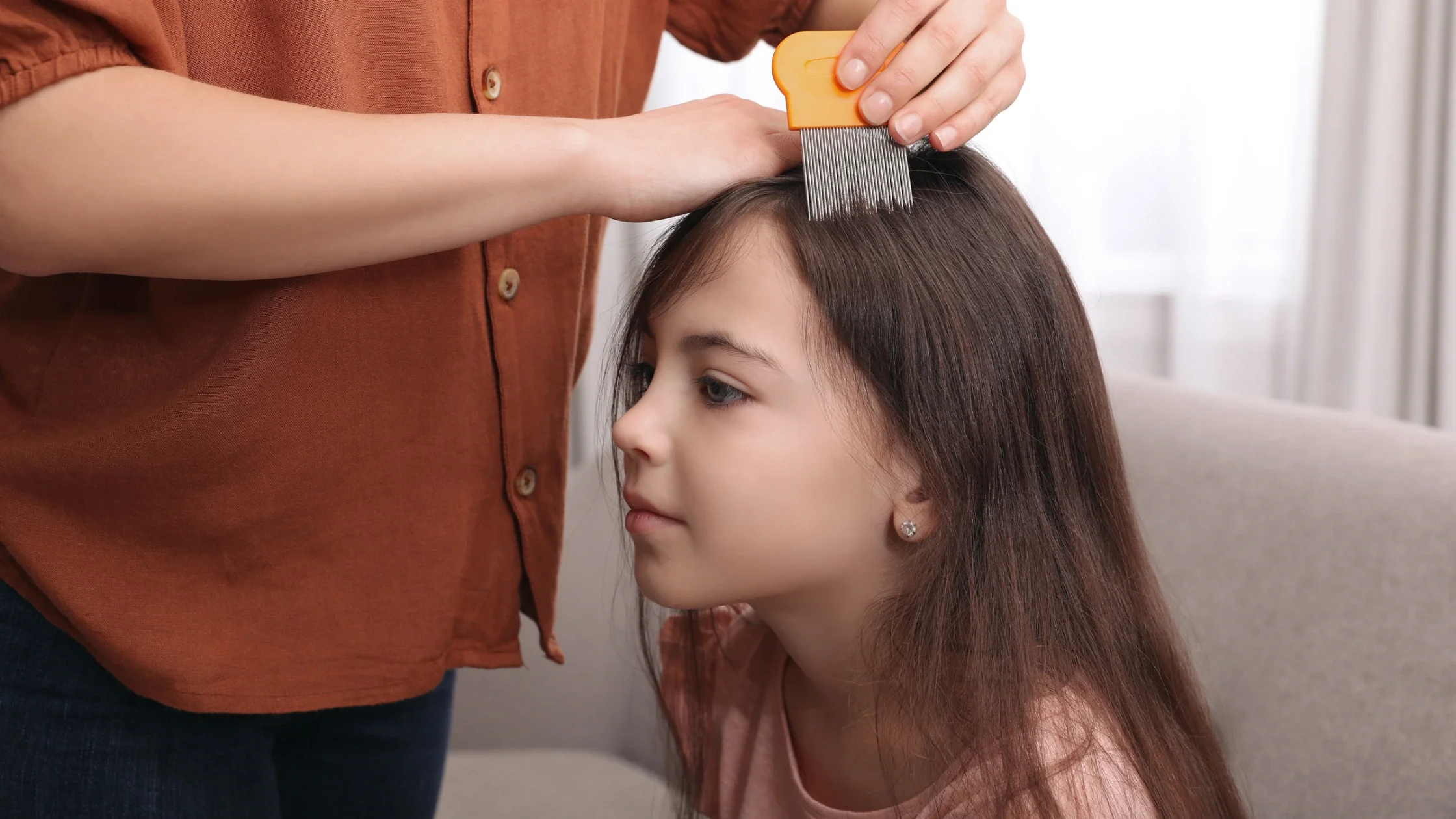
Finding tiny bugs in your child’s hair can be upsetting, especially when your kid has school, you have work, and family routines to manage. Stay calm and work through six steps today: learn how to identify live lice and nit and confirm lice infestation, check other family members to limit spread, choose an appropriate treatment, tips to clean essential household items, and when to notify your child's school. Head lice are uncomfortable but generally harmless, and the CDC says getting them has nothing to do with how clean your home is. Here is the plan for parents.
How Do You Treat Head Lice in the First 24 Hours?
| When | What to do |
|---|---|
| Hours 0 - 2 | Check your child's scalp and hair for live lice and nits. |
| Hours 2 - 4 | Once confirmed, check every household member and inform recent close contacts about head lice. |
| Hours 4 - 6 | Book professional head lice treatment and consider nit-combing until your scheduled appointment. |
| Hours 6 - 12 | Wash items that touched the head in the last two days, vacuum frequently used areas, and bag non-washable items if needed. |
| Hours 12 - 24 | Notify the school nurse and follow the school's head lice policy. |
| Days 7 - 10 | Continue checking the hair, because any missed nits can hatch in about a week. |
1. Confirm That It Is Head Lice
Start with careful head lice check in bright light. Part the hair into small sections and look closely behind the ears and along the nape of the neck. Live lice are tiny, move quickly, and can be difficult to spot. Nits (lice eggs) attach firmly to individual hair strands near the scalp; unlike dandruff, they don't brush off easily.
Finding a crawling louse is the clearest sign of an active infestation. If you only see something that looks like an egg, a professional head check can help you avoid unnecessary treatment.
2. Check Close Contacts and Limit Spread
Examine everyone in the household, particularly those who share bed with your child. Inform other recent close contacts as well, since head lice primarily spread through direct head-to-head contact. According to CDC guidance, people with active infestation and their bed-sharing contacts should receive treatment at the same time. Until treatment begins, remind children to avoid head-to-head contact during play and not to share brushes, hats, or hair accessories. Anyone with long hair can tie it back to reduce hair-to-hair contact. Lice crawl; they do not jump or fly.
3. Consider Wet-Combing While Waiting for a Professional Appointment
If you cannot get an immediate appointment for lice treatment, wet-combing with a fine-toothed nit comb and conditioner can help temporarily reduce live lice. Work through small sections of hair, combing from root to tip, and wipe the comb on a white paper towel after each stroke. Pay particular attention to the areas behind the ears and along the neckline. However, wet-combing may not remove every louse or nit, so keep your professional appointment for thorough inspection and treatment.
4. Clean the Items That Matter
You do not need to disinfect or deep clean your entire home. Wash and machine-dry any clothing, towels, and bedding used by the affected person within the two days before treatment. The CDC recommends hot water (130°F) and high-heat drying. Soak used combs and brushes in hot water for 5–10 minutes, and vacuum areas where the child recently sat or lay. Skip insecticide foggers and household sprays. Head lice generally survive for only about two days away from the human scalp, so focus on items your child used before treatment.
5. Consider Professional Lice Treatment
Professional lice treatment offers thorough lice checks, effective removal of lice and nits, and experienced care, saving families time and the frustration of repeated at-home treatments.
Premier Lice Spa provides professional lice removal treatment with both in-clinic and in-home services, backed by a 30-day guarantee. Our mobile services cover Katy, Houston, Sugar Land, Cypress, Richmond, Fulshear, Brookshire, and Sealy, subject to appointment availability.
6. Continue Head Lice Checks & Inform Your School
After the initial treatment, continue checking your child's hair regularly for any remaining live lice or nits. Pay particular attention to areas behind the ears and near the neckline. If you notice live lice again, consider a professional head lice check to determine the next steps.
According to CDC, children with lice can return to school after starting appropriate treatment. Check your school’s procedures and notify the school nurse when appropriate.
Get Professional Help for Head Lice Removal
You don't have to spend hours figuring out how to remove head lice and nits on your own. Premier Lice Spa makes the process easier with professional head checks, thorough lice removal treatments, and convenient mobile services. Whether you need an inspection or help addressing an active lice infestation, our team is here to help.
Book an appointment online or call 832-481-7214 to schedule an appointment.
Frequently Asked Questions
-
Professional lice treatment is an effective way to get rid of head lice quickly. Experienced lice removal technicians thoroughly check the scalp, provide appropriate treatment, and carefully remove lice and nits (lice eggs), helping reduce the chances of remaining eggs hatching and prolonging the infestation.
At Premier Lice Spa, we offer professional lice removal with same-day treatment availability, both in-clinic and in-home services, and backed by 30-day guarantee.
-
Not necessarily. Every household member should be checked, and those with active infestations and people sharing a bed with the affected person should be treated at the same time to reduce the risk of reinfestation.
-
Head lice typically die within 1 to 2 days after falling off the scalp because they cannot feed. Transmission through pillows, bedding, and furniture is much less common than direct head-to-head contact. Wash recently used bedding and vacuum frequently used furniture. Extensive household cleaning is generally not required.
-
Repeated lice can result from new exposure, missed lice or eggs, incorrect product use, or ingredient resistance. If you still find live lice, schedule an appointment to get professional inspection with Premier Lice Spa.