Does Everyone Need Lice Treatment After One Family Member Is Infected?
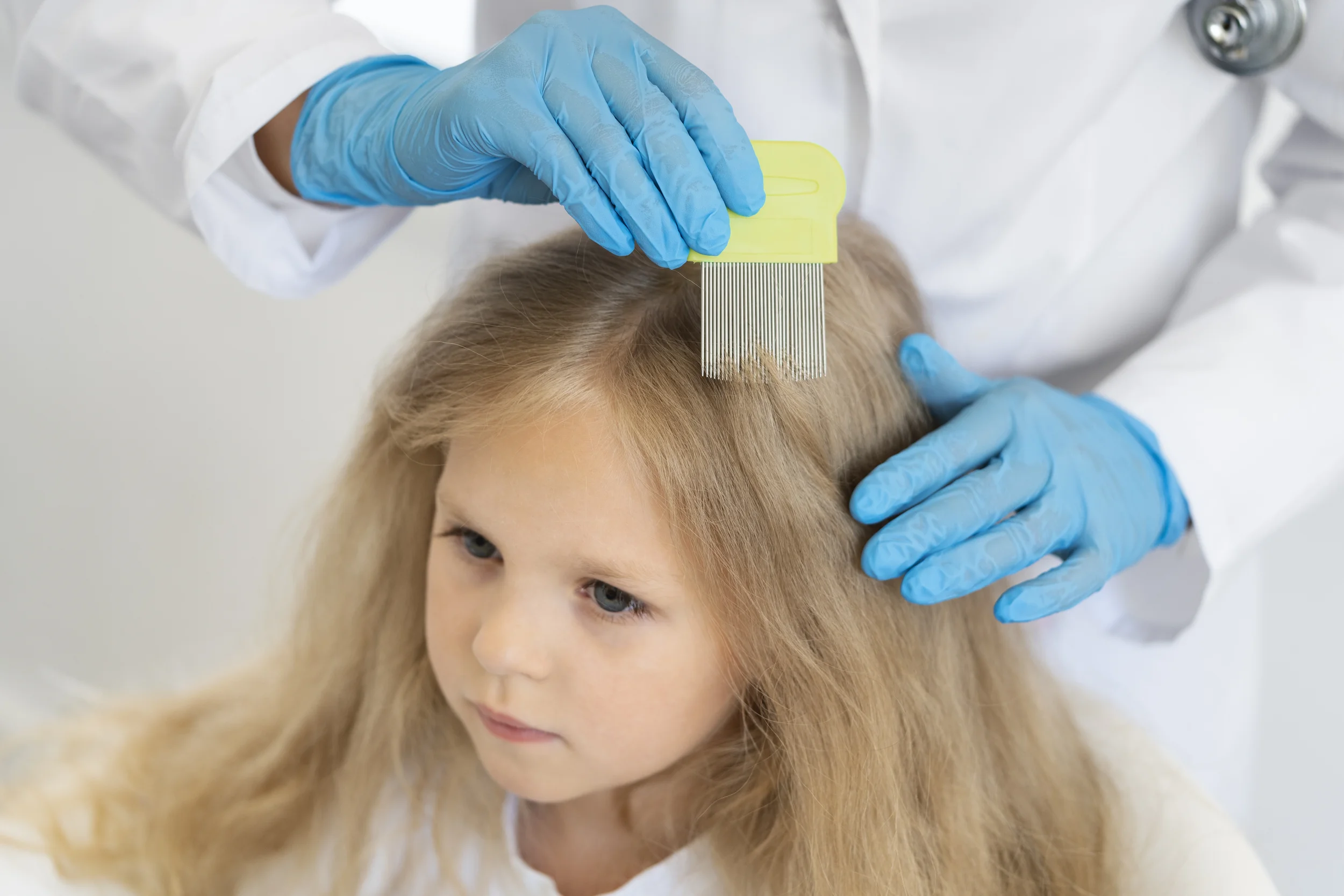
You’re brushing your kid’s hair after school when something catches your eye near the scalp. A closer look, and you feel a little panic, it’s head lice. Suddenly, your mind is flooded with questions. How did this happen? Who else might have it? Does the whole family need lice treatment now?
Before you imagine a full-blown infestation, here’s the simple truth: not everyone automatically needs lice treatment, but everyone does need a proper head check.
Head lice spread in very specific ways, and understanding how they move (and don’t move) helps you take the right steps without unnecessary panic.
How Lice Spread Within a Family
Lice move through direct head contact, especially among young children who play, cuddle, and lean close. Sharing hair items can sometimes contribute, but the real risk lies in consistent, close head proximity.
Lice need warmth and blood to survive, so they don’t wander around homes waiting for their next victim. They survive up to 24–36 hours off a scalp at most.
This means:
Spread usually happens between people who spend significant, close-contact time together.
So… Does Everyone in the Family Need Lice Treatment?
No, not really.
Instead of checking every single person in the home, focus on people who regularly have close head contact with the infected child. Here’s a simple guide on how to decide who actually needs treatment :
| Family Member | Close Contact? | Lice Found? | Needs Treatment? |
|---|---|---|---|
| Child with confirmed lice | Yes | Yes | Yes |
| Sibling who shares bed | High | Maybe | Check + treat if any nits |
| Sibling who rarely has head contact | Low | Maybe | Check only |
| Parent who co-sleeps | High | Maybe | Check + treat if any signs |
| Other adults with minimal contact | Low | No | No treatment needed |
Because lice can be present for 2–3 weeks before itching starts, a clean head check is the only reliable way to know.
How to Confirm Who Actually Needs Treatment
A proper head check makes all the difference. Here’s a simple way to do it at home:
Use bright light or natural sunlight
Look closely at the scalp, nape, and behind the ears
Use a fine-toothed lice comb on small sections of hair
Wipe the comb on a tissue after each pass
Look for live lice or nits (tiny oval eggs) close to the scalp
If you’re unsure about what you’re seeing, or if checking multiple people feels overwhelming, you can use:
Over-the-counter lice shampoos (they work for some families but may miss eggs), or
Professional lice removal is helpful when you want accurate identification and complete removal in one session
How to Stop Lice From Spreading Again
Once you identify who needs treatment, a few simple steps reduce the chances of round two:
Check all close-contact family members
Wash pillowcases, hats, and brushes in normal laundry
Avoid head-to-head contact for a few days
You don’t need to deep-clean the house or bag toys — lice don’t survive long off the scalp.
When to Consider Professional Help
If you’re unsure about what you’re seeing, dealing with multiple kids, or simply want a calm, guaranteed solution, Premier Lice Spa can help. Technicians can identify cases quickly and remove lice and nits in one visit using non-toxic lice removal techniques.
Final Takeaway
Not everyone needs treatment, but everyone with close, regular head contact should get a proper check. That’s the safest, simplest way to stop lice from spreading through your home.