Why Lice Keep Coming Back After Treatment
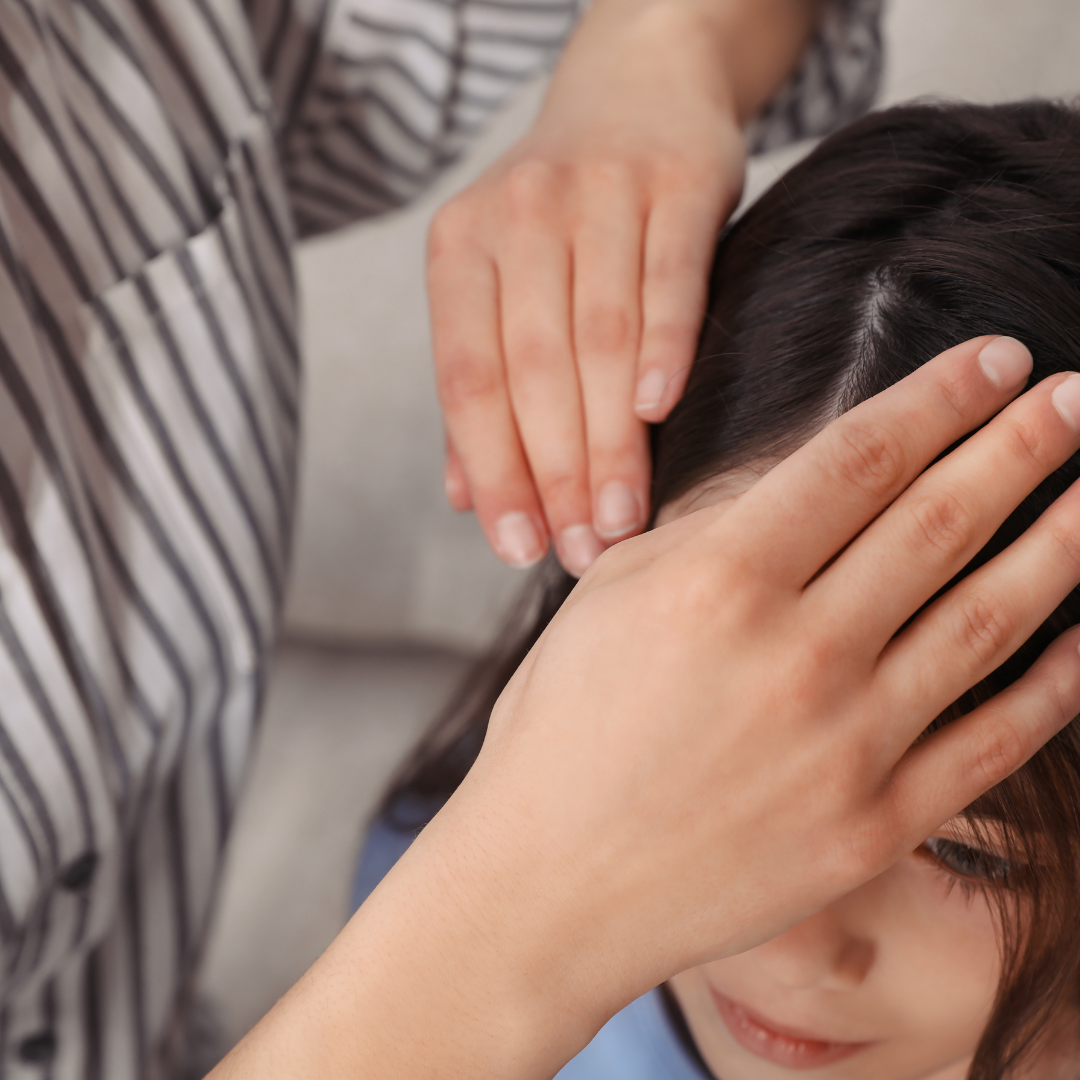
If you’ve treated lice and they seem to return days or weeks later, you’re not alone. Many families experience repeat lice infestations even after putting in real effort to get rid of them.
In most cases, they return because over-the-counter chemical treatments or at-home remedies didn’t remove every louse and nit, or because lice were reintroduced through close contact with someone who was still infested.
Understanding why lice appear to “come back” is the key to stopping the cycle permanently.
What Kind of Lice Treatment Usually Fails?
When parents say lice treatment didn’t work, they’re usually referring to one of the following:
Over-the-counter lice shampoos
DIY or home remedies
Incomplete combing or missed eggs
Skipped follow-up checks
These methods often kill some live lice but fail to remove all nits. Since eggs hatch days later, lice reappear and give the impression that treatment didn’t work.
Professional lice removal is different because it focuses on complete, manual removal of both lice and eggs, followed by follow-up checks to ensure lasting results.
Common Reasons Lice Keep Coming Back
1. Missing the Early Signs of Lice
The earlier lice are detected, the easier they are to eliminate. However, the early signs of lice are often subtle and easy to miss. Mild itching, small red bumps on the scalp, or tiny white specks near the hairline are commonly mistaken for dandruff or dry skin. Some children don’t itch at all in the early stages, allowing lice to spread and lay eggs before treatment begins. By the time lice are clearly visible, the infestation may already be established.
2. Treating Only One Person in the Household
Lice spread through direct head-to-head contact. It’s common for more than one person in a household to have lice without obvious symptoms. If only one child is treated while siblings or caregivers remain untreated, lice can be passed right back after treatment. This reinfestation often feels like lice “returning,” even though they were simply reintroduced.
3. Not Removing Every Louse and Nit
Nits are firmly attached to the hair shaft and are not reliably removed by chemical shampoos. If even a few eggs are left behind, they can hatch within days and restart the infestation. This is one of the most common reasons lice appear to come back after treatment. Thorough, section-by-section combing and nit removal are essential to breaking the lice life cycle.
4. Relying on Over-the-Counter Chemical Treatments Alone
Many lice have developed resistance to common pesticide-based treatments. While these products may kill some live lice, they often fail to eliminate eggs or resistant lice. As a result, parents may believe the infestation is gone, only to see lice again days or weeks later. This is not reinfestation, it’s incomplete removal. Professional lice removal services avoid this issue by using non-toxic, manual techniques that physically remove lice and nits rather than relying on chemicals.
5. Skipping Follow-Up Checks After Treatment
Even after lice are removed, follow-up checks matter. Eggs that were too young to hatch at the time of treatment can emerge later if not caught. Professional lice removal services include follow-up inspections or comb-outs to ensure any newly hatched lice are removed before they can reproduce. Skipping this step increases the risk of lice appearing again.
6. Reinfestation From School, Family, or Activities
Sometimes, lice truly do come back due to new exposure. Close contact at school, sleepovers, sports, or shared activities can reintroduce lice after successful treatment. This is reinfestation, not treatment failure, and it highlights the importance of prevention and regular checks after known exposure.
How to Prevent Lice From Coming Back
Preventing repeat lice infestations involves a few consistent habits:
Check hair weekly, especially after school outbreaks or sleepovers
Avoid sharing hats, hairbrushes, helmets, or hair accessories
Keep long hair tied back during school and activities
Head check for all household members if lice are found
Follow recommended follow-up checks after treatment
These steps reduce the chances of both missed eggs and reinfestation.
When Professional Lice Removal Makes the Difference
When lice and nits are completely removed through professional treatment, the infestation is resolved. Lice do not return on their own. They only reappear when removal is incomplete or when there is new exposure.
Professional lice removal services focus on:
Complete lice and nit removal
Family checks to prevent reinfestation
Follow-up inspections for long-term results
This approach eliminates guesswork and reduces the likelihood of repeat infestations.
Say Goodbye to Lice for Good
Dealing with recurring lice can be exhausting, but it doesn’t have to be an ongoing problem. With thorough removal, proper follow-up, and prevention, lice can be eliminated completely.
At Premier Lice Spa, we provide safe, non-toxic lice treatment and professional lice removal services with guaranteed results on the first treatment. Our process is designed to remove every louse and nit and help families stay lice-free with confidence.
If lice keep coming back despite your efforts, it’s often a sign that something was missed. Our experts are here to help you end the cycle for good.
Frequently Asked Questions
-
Most repeat cases happen because eggs were missed during at-home or over-the-counter treatment, or because lice were reintroduced through close contact.
-
A follow-up check within 7–10 days helps catch newly hatched lice early.
-
They may kill some live lice but often fail to remove eggs or resistant lice, which can lead to recurrence.
-
Lice can survive up to 24–48 hours off the scalp. Washing bedding and vacuuming helps reduce transfer.
-
Regular checks, treating close contacts, avoiding shared personal items, and proper follow-up are key.